We spend a lot of time thinking about windows. After 92 years in this business, we have come to believe that light is the most important design element in any home, and the window is where it all begins. So let us follow one ordinary window through one ordinary day.
6:30 a.m. The first gray light
Before sunrise, the window is a soft, cool rectangle. In a bedroom, this is the hour that decides whether you wake up gently or all at once. A room-darkening shade keeps the room asleep until you are ready. A top-down/bottom-up shade lets you open just the top of the window, so the sky comes in while the street stays out.
8:00 a.m. Morning sun arrives
East-facing rooms come alive first. Kitchens and breakfast nooks love this hour. Light-filtering fabrics turn sharp sunbeams into an even glow that makes coffee taste better, or at least it feels that way. Blinds give you a different kind of control: tilt the slats up and the light bounces off the ceiling and fills the room without hitting anyone in the eyes.
Noon. The flattest light of the day
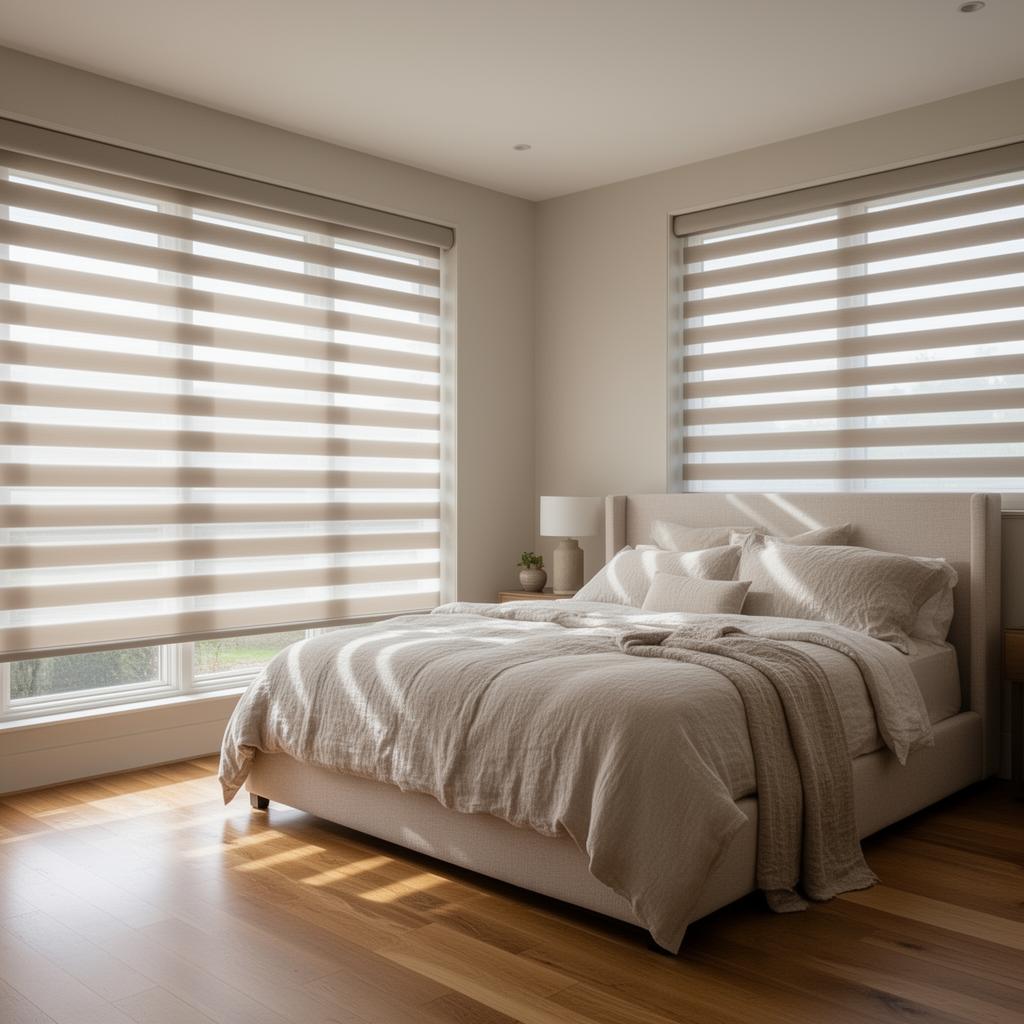
At midday the sun is high and the light is strong but less direct through most windows. This is when you notice glare on screens and televisions. Solar shades earn their keep now, cutting glare and UV while you keep your view of the yard.
3:00 p.m. The afternoon heat
West-facing windows take the hardest light of the day, low and hot, straight across the room. This is the hour that fades rugs, wood floors, and upholstery. Here a window treatment is not only about beauty; it is protection for everything else you love in that room.
5:30 p.m. Golden hour
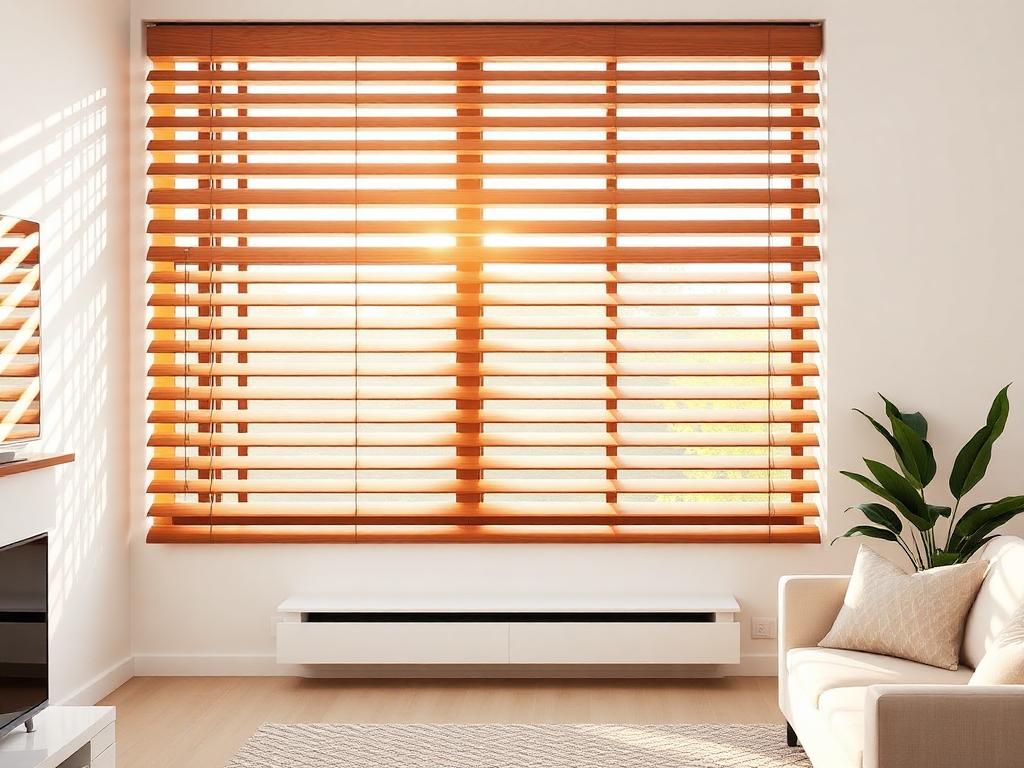
And then, the best part. Late light turns everything amber. Wood blinds glow. Shutter louvers throw long stripes across the floor. Sheer shadings like Silhouette® diffuse the light so the whole room looks warm and soft. If there is one hour to design a room around, it is this one.
8:00 p.m. The window turns into a mirror
After dark, the window flips. From inside, it reflects the room; from outside, it is a lit stage. This is when privacy matters most. Closed shutters, lowered shades, and drawn drapery make a room feel finished and safe, and they hold in the day's warmth.
Midnight. Darkness, on purpose
Streetlights, porch lights, a neighbor's motion sensor. Night has more light than it used to. A well-fitted room-darkening shade is the difference between restless and rested.
The same window, a different season
A window's day changes with the calendar, too. We hear this most from families who have moved here from Texas. They toured the house in the summer and noted where the sun came in and which windows it came through. Then they moved in during the winter, and the sun was coming in through different windows, at different angles, at different times of day.
Cincinnati sits far enough north that the sun travels high across the sky in summer and stays much closer to the southern horizon in winter. In summer it reaches the east windows earlier in the morning and sets later in the west. In winter it reaches the east later in the morning and sets earlier in the west. The angles shift as well: as the year turns from summer to winter, morning light swings from due east toward the southeast, and evening light from due west toward the southwest.
Just when you think you have the glare from the upper windows on the TV figured out for football season, everything changes.
What one window teaches us
- Light changes all day, so the best treatment is one that adjusts, not one that only opens and closes.
- Light changes with the seasons. The window that is shaded in July can glare in January, so choose treatments that handle both.
- Orientation matters. East, west, north, and south windows need different solutions, even in the same room.
- See it in your own light. Fabrics look different at 8 a.m. than at 5 p.m. That is why our Shop at Home consultation brings hundreds of samples to your house, so you choose in the light you actually live with.
Frequently asked questions
What window treatment is best for a west-facing window?
West windows get intense, low afternoon sun. Solar shades, cellular shades, and shutters all help; the right choice depends on whether you want to keep your view, insulate, or fully block the light.
How can I get morning light without losing privacy?
Top-down/bottom-up shades let you open the top of the window to the sky while keeping the lower half covered. Tilting blind slats upward is another simple option.
Can window treatments change automatically with the light?
Yes. Motorized shades can be scheduled to adjust throughout the day, so they open for morning light and close against afternoon heat on their own.
Want to design your rooms around the light you love? Schedule a free consultation and we will help you choose for every hour of the day.